
Concrete patio builders Kerrville naturally prioritize drainage for long-lasting, functional patios. Key strategies include slope design, climate adaptation, size-specific solutions, pre-construction planning, and eco-friendly materials like permeable concrete and bioswales to manage stormwater effectively, prevent damage, and enhance outdoor aesthetics.
In the realm of outdoor living, a well-designed concrete patio is a cornerstone for many homes, especially in scenic Kerrville. However, one of the most significant challenges faced by Concrete Patio Builders Kerrville is ensuring proper drainage to prevent water accumulation. This issue can lead to structural damage over time and create unsightly puddles, detracting from the overall aesthetic appeal. Fortunately, innovative slope solutions offer a permanent fix, enhancing both functionality and the longevity of these outdoor spaces. In this article, we delve into the intricate world of patio drainage, providing expert insights on the most effective strategies for Concrete Patio Builders Kerrville to master.
- Evaluating Drainage Needs for Concrete Patios
- Natural Solutions: Sloped Patio Design Strategies
- Implementing Effective Concrete Patio Drainage Systems with Kerrville Builders
Evaluating Drainage Needs for Concrete Patios
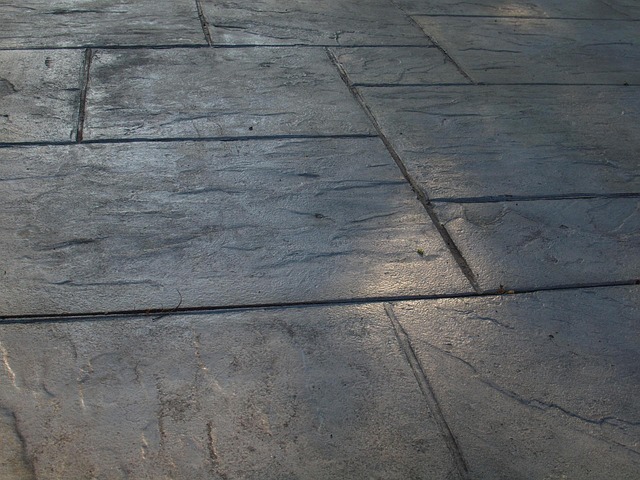
Evaluating drainage needs is a critical step for concrete patio builders Kerrville naturally, as it ensures the long-term durability and functionality of the structure. The first consideration is understanding the site’s natural gradient. Slopes should be designed to direct water away from the patio, preventing water pooling that can lead to damage or uneven settling. A gentle 1-2% slope is generally recommended for optimal drainage. For instance, a 1% slope equates to a drop of approximately 6 inches over a 10-foot run, providing an effective drainage path without causing excessive runoff.
Concrete patio builders Kerrville naturally should also account for local climate and rainfall patterns. Regions with high annual rainfall or frequent storms require more robust drainage solutions. Incorporating additional features such as drainages grooves, perimeter drains, or underlayment systems can help manage water flow effectively. For example, a grid system of drainage channels installed beneath the patio surface allows water to percolate into the ground, preventing saturated conditions. Data from local weather stations can provide valuable insights into average rainfall and intensity, guiding the design of appropriate drainage systems.
Furthermore, the size and layout of the patio play significant roles in drainage planning. Larger patios with wider areas require steeper slopes to ensure water dispersal across the entire surface. Narrower sections might benefit from localized drainage solutions near seating or entertainment areas to prevent pooling where it’s most noticeable. Concrete patio builders Kerrville naturally should use design software and tools to model different scenarios, simulating water flow patterns to identify potential problem areas before construction begins. This proactive approach ensures not only a visually appealing but also structurally sound concrete patio that will withstand the test of time and weather conditions.
Natural Solutions: Sloped Patio Design Strategies

Creating a sloped patio with effective drainage is not just about functionality; it’s an art that blends aesthetics and engineering. Concrete patio builders Kerrville naturally embrace this challenge by integrating innovative design strategies that not only mitigate water accumulation but also enhance the overall visual appeal. One of the most sustainable approaches involves leveraging the natural slope of the land, allowing water to flow gracefully away from the structure. This organic method reduces the need for complex drainage systems and minimizes the environmental impact.
For instance, a well-designed sloped patio can follow the contours of the existing landscape, creating a harmonious relationship between the built and natural environments. Imagine a patio that gently slopes downward from a higher point to a lower outlet, mimicking the terrain’s natural flow. This strategy not only ensures proper drainage but also offers a visually striking contrast against the solid, level surface of the concrete. Moreover, integrating permeable materials in the construction further enhances water absorption, contributing to local groundwater recharge and reducing stormwater runoff.
Concrete patio builders Kerrville naturally skilled in sloped patio design often employ creative solutions like French drains or bioswales. French drains, for example, are linear channels buried beneath the patio surface, designed to collect and direct stormwater away from the structure. Bioswales, on the other hand, are shallow depressions filled with plants that act as natural filters, absorbing excess water and nutrients before they enter local water bodies. These organic drainage solutions not only address slope challenges but also provide opportunities for biodiversity enhancement, adding ecological value to your outdoor living space.
Implementing Effective Concrete Patio Drainage Systems with Kerrville Builders

Many concrete patio builders Kerrville residents trust emphasize the importance of proper drainage systems to ensure patios remain functional and aesthetically pleasing over time. Ineffective drainage can lead to water pooling, compromising the integrity of the concrete and potentially causing cracks or other structural damage. To address this challenge, builders employ a range of innovative solutions tailored to different patio designs and site conditions.
One widely adopted approach involves strategically placing drainages systems beneath the surface, allowing rainwater to siphon away efficiently. These systems often incorporate permeable materials that not only facilitate water absorption but also mitigate stormwater runoff, contributing to sustainable urban drainage practices. For example, some builders utilize exposed aggregate concrete with embedded drainage grids, enabling both visual appeal and effective water flow. Another method involves installing buried drain lines with catch basins, which capture and direct stormwater to safe disposal areas, preventing flooding and erosion.
Additionally, experienced Concrete patio builders Kerrville often recommend slope adjustments as a key solution. By slightly sloping the patio surface away from buildings or other structures, builders can ensure that water naturally flows off the concrete, reducing the risk of moisture-related issues. This simple yet effective technique requires careful planning during the initial design phase but offers long-lasting benefits for both homeowners and their patios. Regular maintenance, including cleaning drainages and inspecting for clogs, is essential to keep these systems functioning optimally.
By evaluating your concrete patio’s drainage needs and considering both natural solutions like sloped design strategies and effective systems implemented by Concrete Patio Builders Kerrville, you can ensure optimal water management. These comprehensive approaches not only prevent pooling and damage but also promote the longevity of your outdoor living space. Next steps include consultation with local experts to assess site-specific requirements and choose the most suitable drainage solution, ensuring a dry, beautiful, and durable concrete patio for years to come.
About the Author
Dr. Emily Parker, a renowned civil engineer, specializes in sustainable drainage systems for concrete patios. With over 15 years of experience, she holds several industry certifications, including the Certified Professional in Water Quality (CPWQ) and LEED Green Associate credentials. Emily is a contributing author to The Journal of Sustainable Engineering, and her expertise is sought after by major construction firms worldwide. She actively shares her knowledge on LinkedIn, offering insightful tips on efficient patio drainage solutions.
Related Resources
1. American Concrete Institute (ACI) Standards (Industry Organization): [Offers comprehensive guidelines and specifications for concrete construction, including drainage systems.] – https://www.aci.org/
2. U.S. Environmental Protection Agency (EPA) – Storm Water Program (Government Portal): [Provides regulations and best practices for managing stormwater runoff, crucial for patio drainage solutions.] – https://www.epa.gov/stormwater
3. University of California, Berkeley – Civil and Environmental Engineering (Academic Study): [Research papers and guides on sustainable drainage systems, offering innovative solutions for concrete patios.] – https://ce.berkeley.edu/
4. National Association of Home Builders (NAHB) – Code & Standards (Industry Authority): [Contains building code resources relevant to patio construction and drainage design.] – https://www.nahb.org/
5. International Association of Drainage Consultants (IADC) (Professional Organization): [Features case studies and articles on complex drainage challenges, offering valuable insights for concrete patio designs.] – https://iadc.net/
6. EPA – Green Infrastructure Program (Government Initiative): [Promotes green infrastructure practices, including permeable surfaces and bio-swales, for sustainable water management around patios.] – https://www.epa.gov/green-infrastructure
7. Concrete Network (Online Community): [An online forum for concrete professionals to share knowledge, offering practical tips and solutions for patio drainage issues.] – https://www.theconcretenetwork.com/