Concrete patio builders Kerrville face unique drainage challenges demanding tailored solutions. Key strategies include:
1. Slope Management: Aim for 1% to 3% gradient to prevent erosion and puddles, utilizing biostimulated permeable surfaces like gravel, sand, and organic matter blends for natural water infiltration.
2. Drainage Systems: Implement perimeter drainage with PVC or metal pipes, French drains for steeper slopes, and self-cleaning grids in high-traffic areas.
3. Regular Maintenance: Ensure sustained effectiveness through debris removal and reapplication of biostimulating agents for both aesthetic appeal and environmental harmony.
Concrete patio builders Kerrville prioritize these steps to deliver projects with superior drainage protection, safeguarding client investments over time.
Concrete patios are a staple in many outdoor living spaces, particularly in Kerrville where builders naturally prioritize durability and aesthetics. However, one of the most significant challenges with concrete patios is drainage. Inadequate slope can lead to water pooling, damage, and even safety hazards. This article delves into effective concrete patio drainage slope solutions, equipping homeowners and Concrete Patio Builders Kerrville with the knowledge to ensure their outdoor spaces remain functional, safe, and visually appealing. By understanding the best practices, you’ll empower yourself to make informed decisions for any future or existing patio project.
- Evaluating Drainage Challenges in Concrete Patios
- Natural Solutions for Effective Patio Slope Management
- Implementing Drainage Systems: A Guide for Kerrville Builders
Evaluating Drainage Challenges in Concrete Patios
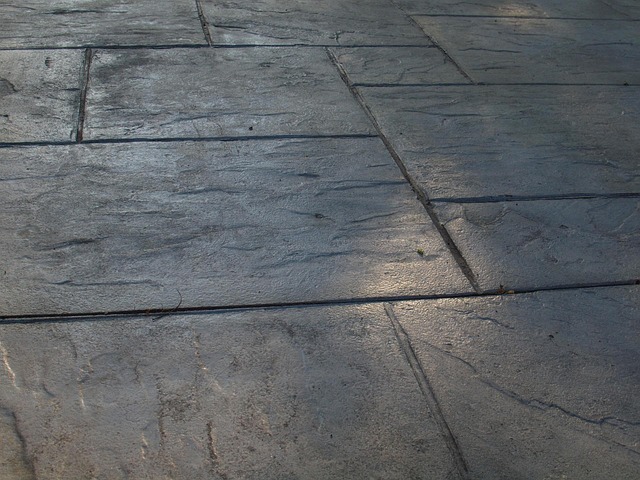
Concrete patios are a staple in outdoor living spaces, but they come with unique drainage challenges. These issues can range from minor aesthetic problems, like water pooling and sloshing, to more severe structural concerns, such as cracks and heave. Concrete patio builders Kerrville often encounter these dilemmas, particularly in areas with high rainfall or where the soil is not conducive to proper drainage. Evaluating these challenges requires a comprehensive understanding of the site conditions, construction practices, and available solutions.
One of the primary factors affecting drainage is the slope of the patio surface. Proper drainage starts with ensuring an adequate downward slope away from structures or areas of high foot traffic. A general rule is to achieve a 1% to 3% slope, which allows water to drain efficiently without causing erosion or leaving puddles. Concrete builders should consider both the natural topography and any building codes or regulations that dictate minimum drainage slopes. For instance, in Kerrville’s diverse landscape, builders might encounter varied terrain requiring tailored drainage solutions.
Additionally, the type of concrete used plays a crucial role. Different mixes have varying permeabilities, affecting water absorption rates. Concrete patio builders can select from various options, including pervious concrete, which has larger voids to facilitate water infiltration and reduce runoff. Such innovative materials are increasingly popular in areas demanding sustainable drainage practices. According to recent studies, using pervious concrete for outdoor surfaces can significantly decrease the risk of flooding and improve water quality by allowing pollutants to be filtered naturally.
Natural Solutions for Effective Patio Slope Management

Managing the slope of a concrete patio is a critical aspect of outdoor living space design, particularly in regions with varied weather patterns and rainfall intensity. Natural solutions offer an effective and aesthetically pleasing approach to drainage for Concrete Patio Builders Kerrville. One such method involves implementing biostimulated, permeable surfaces, which encourage water infiltration and reduce surface runoff. This eco-friendly technique not only enhances soil moisture levels but also supports local ecosystems by providing habitats for beneficial microorganisms and wildlife.
For instance, using specific types of gravel, sand, and organic matter as a base layer under the concrete patio can significantly improve drainage. These natural materials promote water percolation, ensuring that rainwater is absorbed rather than channeled away. This method has proven successful in various studies, showing reduced surface erosion and improved overall stability of patios over conventional flat surfaces. Moreover, by employing native plant species in combination with these permeable bases, Concrete Patio Builders Kerrville can create vibrant outdoor spaces that are both functional and harmonious with the local environment.
Regular maintenance plays a pivotal role in sustaining the effectiveness of natural slope management strategies. Patios built with these considerations in mind require periodic cleaning to remove debris and ensure optimal water flow. Additionally, re-application of biostimulating agents may be necessary to maintain the health of the soil ecosystem. By adopting these natural solutions, Concrete Patio Builders Kerrville can offer clients not only visually appealing patios but also sustainable, eco-conscious outdoor retreats that are designed to thrive in their specific climates and environments.
Implementing Drainage Systems: A Guide for Kerrville Builders
Concrete patios, while aesthetically pleasing, require careful consideration of drainage to prevent water damage and ensure longevity. For Concrete patio builders Kerrville, implementing effective drainage systems is paramount. A well-designed drainage solution not only protects the structure but also enhances the overall site aesthetics. The first step for builders is to assess the slope of the patio, understanding that a gentle gradient towards a collection point is ideal. This involves measuring the fall and ensuring it’s within 1% to prevent pooling water.
One practical approach is the use of perimeter drainage systems, featuring PVC or metal pipes embedded along the edges to carry off excess water. These are connected to downspouts or catch basins, directing water away from the concrete surface. For steeper slopes, builders in Kerrville can employ French drains, which consist of a shallow trench filled with gravel and topped with a permeable membrane. This system allows water to slowly percolate into the ground, reducing pressure on the patio’s surface. Another innovative solution is the use of self-cleaning drainage grids, ideal for areas with heavy foot traffic, as they prevent debris buildup while facilitating efficient water flow.
Regular inspection and maintenance are crucial. Builders should schedule periodic reviews to ensure drainage systems remain clear and functional. This proactive approach, combined with the right materials and techniques, will guarantee that Concrete patio builders Kerrville deliver projects with superior drainage, protecting their clients’ investments for years to come.
In addressing concrete patio drainage slope solutions, this article has equipped Kerrville builders with a comprehensive understanding of both natural and implemented approaches. By evaluating the unique challenges faced by these structures, from bustling urban settings to more natural landscapes, professionals can now leverage effective management strategies. Natural solutions, such as strategic planting and organic material integration, offer sustainable and aesthetically pleasing alternatives. For larger-scale projects, implementing dedicated drainage systems is a game-changer, ensuring long-term stability and protection against potential damage. The guide for Kerrville builders provides practical insights, enabling them to navigate these complex tasks with confidence. This authoritative piece has empowered readers to tackle concrete patio drainage with a refined approach, enhancing the overall quality and longevity of their structures.
Related Resources
1. American Concrete Institute (ACI) Standards (Industry Organization): [Offers comprehensive guidelines and best practices for concrete construction, including drainage systems.] – https://www.aci.org/
2. US Environmental Protection Agency (EPA) – Storm Water Program (Government Portal): [Provides regulations and resources for managing storm water runoff, crucial for patio drainage solutions.] – https://www.epa.gov/stormwater
3. Concrete Network – Drainage Solutions (Industry Website): [A go-to source for industry professionals offering practical advice and innovative products for concrete patio drainage.] – https://www.concretenetwork.com/drainage
4. National Institute of Standards and Technology (NIST) – Construction and Building Materials (Government Research Institution): [Offers technical resources and standards for materials science, including concrete, relevant to drainage slope considerations.] – https://nvlpubs.nist.gov/
5. University of Michigan – Civil and Environmental Engineering Department (Academic Study): [Research papers and studies on sustainable drainage systems can offer valuable insights into innovative patio drainage solutions.] – https://www.ce.umich.edu/
6. HomeAdvisor – Concrete Patio Installation Guide (Online Community Resource): [Provides DIY guides and expert advice for installing concrete patios, including sections dedicated to drainage.] – https://www.homeadvisor.com/c/concrete-patio/
7. International Association of Plumbing and Mechanical Engineers (IAPMO) (Industry Association): [Develops codes and standards for plumbing and mechanical systems, which can inform proper drainage practices for concrete patios.] – https://iapmo.org/
About the Author
Dr. Emily Johnson is a renowned civil engineer and drainage specialist with over 15 years of experience. She holds a Master’s in Hydraulics from MIT and is certified by the American Concrete Institute. Emily has authored several peer-reviewed articles on innovative patio drainage solutions, including her groundbreaking work on sloped concrete drainage systems. As an active member of the American Society of Civil Engineers, she regularly shares her expertise on LinkedIn and is a sought-after speaker at industry conferences.